Wild Safari Animal Leopard Tiger Pattern: A Bold Design Element for Creative Projects
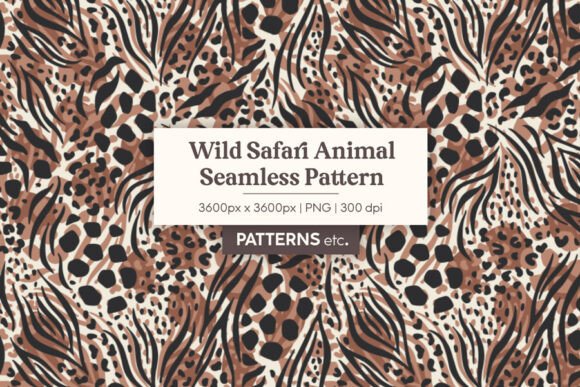
The Wild Safari Animal Leopard Tiger Pattern is a striking visual motif that merges the fierce elegance of big cats from the African savanna into one dynamic and cohesive design. Combining rich orange backgrounds with bold black tiger stripes and leopard spots, enhanced by cream white highlights, this pattern brings an untamed yet refined energy to any creative application. Whether you're working on fashion, branding, digital content, or personal projects, it serves as a powerful tool to elevate aesthetics while maintaining versatility and functionality.
Understanding the Wild Safari Animal Leopard Tiger Pattern
This design isn't just about eye-catching visuals—it's a strategic choice for creators who want to infuse their work with a sense of adventure and wild sophistication. The pattern draws inspiration from the natural world, where the leopard and tiger represent strength, agility, and beauty. By blending these iconic animal prints, it becomes a unique asset that can stand out in competitive markets or simply add flair to everyday items.
As a high-resolution PNG file (300 dpi, 3600x3600 px), the Wild Safari Animal Leopard Tiger Pattern ensures crisp quality whether printed or displayed digitally. Its 12 x12 inch format offers flexibility for scaling without loss of detail, making it suitable for both large and small applications.
Applications Across Industries and Projects
Its adaptability makes the Wild Safari Animal Leopard Tiger Pattern ideal for multiple use cases. Here are some practical areas where it shines:
- Clothing and Home Decor Fabric Designs: Use the pattern to create statement pieces like scarves, tote bags, or decorative cushions. It adds a touch of exotic style without overwhelming the overall look.
- Digital Backgrounds: Apply it to websites, blogs, or social media posts to inject energy and visual interest. Ensure it complements your brand’s color palette and doesn’t clash with text or other elements.
- Branding and Packaging Materials: Integrate the design into product packaging, labels, or logos to evoke a sense of wildness and uniqueness—perfect for niche brands targeting adventurous or nature-loving audiences.
- Wall Art and Posters: Print it as part of a gallery wall or promotional poster to capture attention and spark conversation. Pair it with minimalist layouts for balance or maximalist designs for drama.
- Stationery and Invitations: From planners and notebooks to event invitations, this pattern can transform mundane materials into something memorable and stylish.
- Scrapbooking and DIY Crafts: Add a vibrant accent to handmade cards, photo albums, or gift tags. It works especially well when combined with earthy textures or neutral tones for contrast.
- Surface Pattern Design for Products: Ideal for adding a pop of personality to phone cases, mugs, bedding, or even car accessories. Test how it scales across different surfaces before finalizing production assets.
Planning and Preparation for Implementation
Before incorporating the Wild Safari Animal Leopard Tiger Pattern into your project, consider its role within the broader workflow. Start by defining the purpose: is it a background element, a primary design feature, or a subtle accent? This will guide how you prepare and apply the pattern effectively.
For digital use, ensure compatibility with your design software and platforms. If using it online, verify how it renders across devices and screen resolutions. For print projects, confirm that your printer supports high-resolution images and that the colors translate accurately from digital to physical form.
Organize your assets by storing the pattern file in a dedicated folder labeled clearly with its intended use case. This helps maintain consistency and streamlines access during later stages of your project.
Integration into Creative Workflows
Integrating the Wild Safari Animal Leopard Tiger Pattern requires thoughtful execution to avoid overcomplication. Below are some real-world examples of how professionals might use it:
- Marketing Campaigns: When launching a new line of outdoor gear or travel products, use the pattern in email headers, banner ads, or landing page accents. It reinforces the theme of exploration and connects emotionally with the audience.
- Product Launches: As part of a limited-edition release, apply the pattern to wrapping paper, product boxes, or custom tags. It creates a sense of exclusivity and aligns with thematic storytelling around the product.
- Interior Design: In home decor, pair the pattern with neutral furniture and warm lighting to highlight its vibrancy without creating visual chaos. Consider using it sparingly on throw pillows, curtains, or rugs for impact.
- Event Planning: For weddings, birthdays, or themed parties, the pattern can be used on signage, table runners, or guest book covers. Coordinate it with other safari-inspired elements for a unified look.
Designing with Purpose
When implementing the pattern, always ask yourself: What message am I trying to convey? The boldness of the design naturally commands attention, so use it where emphasis is needed. Avoid layering it with too many competing patterns or colors, which can reduce clarity and professionalism.
Consider how it interacts with typography. Dark fonts may struggle against the black-and-orange contrast, so opt for white or cream-colored text to maintain legibility. Also, test the pattern at various sizes—especially if it will appear on small items like buttons or stickers—to ensure readability and aesthetic appeal.
Efficiency and Consistency in Long-Term Use
One of the key advantages of the Wild Safari Animal Leopard Tiger Pattern is its ability to maintain consistency across different mediums and phases of a project. Once you've selected it as a core visual element, it can be reused in multiple formats without losing its essence. This not only saves time but also strengthens brand recognition or thematic cohesion.
To maximize efficiency, save the pattern in a standardized format (e.g., .PNG) and organize variations (if any) in subfolders based on size or use case. For teams, share the pattern through cloud storage or collaborative design tools like Adobe Creative Cloud or Canva to ensure everyone is working with the same asset.
Quality control is essential when applying the pattern to mass-produced items. Always request sample prints before going into full production to assess how it looks in reality. Digital mockups can help visualize the outcome, but nothing beats seeing the final product in context.
Observations and Best Practices
While the Wild Safari Animal Leopard Tiger Pattern is undeniably versatile, it’s important to note that it works best in specific contexts. For example, it may not be suitable for formal business environments unless paired with more subdued elements. However, in lifestyle, retail, or entertainment industries, it can become a signature motif that resonates with target audiences.
Here are some best practices for using the pattern effectively:
- Use it as a background rather than a foreground element to let other content take center stage.
- Limit its use to one or two sections of a layout to avoid overwhelming the viewer.
- Pair it with complementary textures, such as wood grain or stone, to ground the design in a more organic feel.
- Ensure accessibility by avoiding low-contrast combinations that could hinder readability for visually impaired users.
Workflow Example: Creating a Safari-Themed Product Line
Let’s walk through a hypothetical scenario where the Wild Safari Animal Leopard Tiger Pattern plays a central role:
- Concept Development: During the ideation phase, decide that the product line should reflect a connection to nature and adventure. Select the pattern as a unifying visual theme.
- Prototyping: Apply the pattern to fabric swatches for clothing or mock-up boxes for accessories. Gather feedback on how it feels and looks in real-world settings.
- Brand Integration: Incorporate the pattern into packaging, website banners, and social media templates. Ensure it aligns with your brand guidelines and enhances the customer experience.
- Launch and Promotion: Use the pattern in teaser graphics, behind-the-scenes content, and promotional emails. Track engagement to determine if it resonates with your audience.
- Long-Term Strategy: Based on performance, continue using the pattern in seasonal campaigns or repurpose it into new formats like digital wallpapers or stationery for loyalty programs.
Final Thoughts on Practical Use
Incorporating the Wild Safari Animal Leopard Tiger Pattern into your work requires more than just selecting a file—it demands consideration of how it fits into your overall creative strategy. Think about the emotional tone you want to set, the technical requirements for each medium, and the long-term value of the design. When used thoughtfully, it can enhance your project’s visual appeal, reinforce brand identity, and engage audiences in meaningful ways.
Whether you're a marketer, designer, educator, or hobbyist, the pattern offers a unique opportunity to bring a piece of the wilderness into your creations. With proper planning and integration, it can serve as a valuable asset in your toolkit, helping you stand out in a crowded market while staying true to your vision.